
The Commercial HVAC
Experts in Surrey, BC
Surrey Commercial HVAC Services is Surrey's dedicated commercial HVAC contractor. Rooftop units, restaurant ventilation, office systems, warehouse heating, commercial refrigeration, and 24/7 emergency repair across the Lower Mainland.
Commercial HVAC for Surrey Restaurants,
Offices & Warehouses
If your business depends on heating, cooling, or ventilation, we've worked in it. The equipment changes but the standard doesn't — every job is scoped properly and done to code.
Restaurants & Food Service
Kitchen exhaust, makeup air, Type I & II hoods, ventilation balancing
Office Buildings
Multi-zone VAV, VRF systems, BAS integration, IAQ upgrades
Warehouses & Distribution
Unit heaters, make-up air, destratification fans, industrial exhaust
Retail & Shopping Centres
RTU service, air curtains, strip mall coordination, off-hours work
Medical & Dental Clinics
Pressurization control, HEPA filtration, MERV-13 upgrades, code compliance
Hotels & Hospitality
Guest room fan coil units, lobby AHUs, kitchen ventilation, pool dehumidification
Schools & Institutions
Demand-controlled ventilation, CO2 monitoring, scheduled maintenance contracts
Auto Dealerships
Showroom heating and cooling, shop exhaust, paint booth ventilation
Commercial HVAC Services in Surrey
Every Scope, One Crew
From a single rooftop unit repair to a full commercial HVAC installation across multiple floors, we handle the complete scope in-house — no random subs.
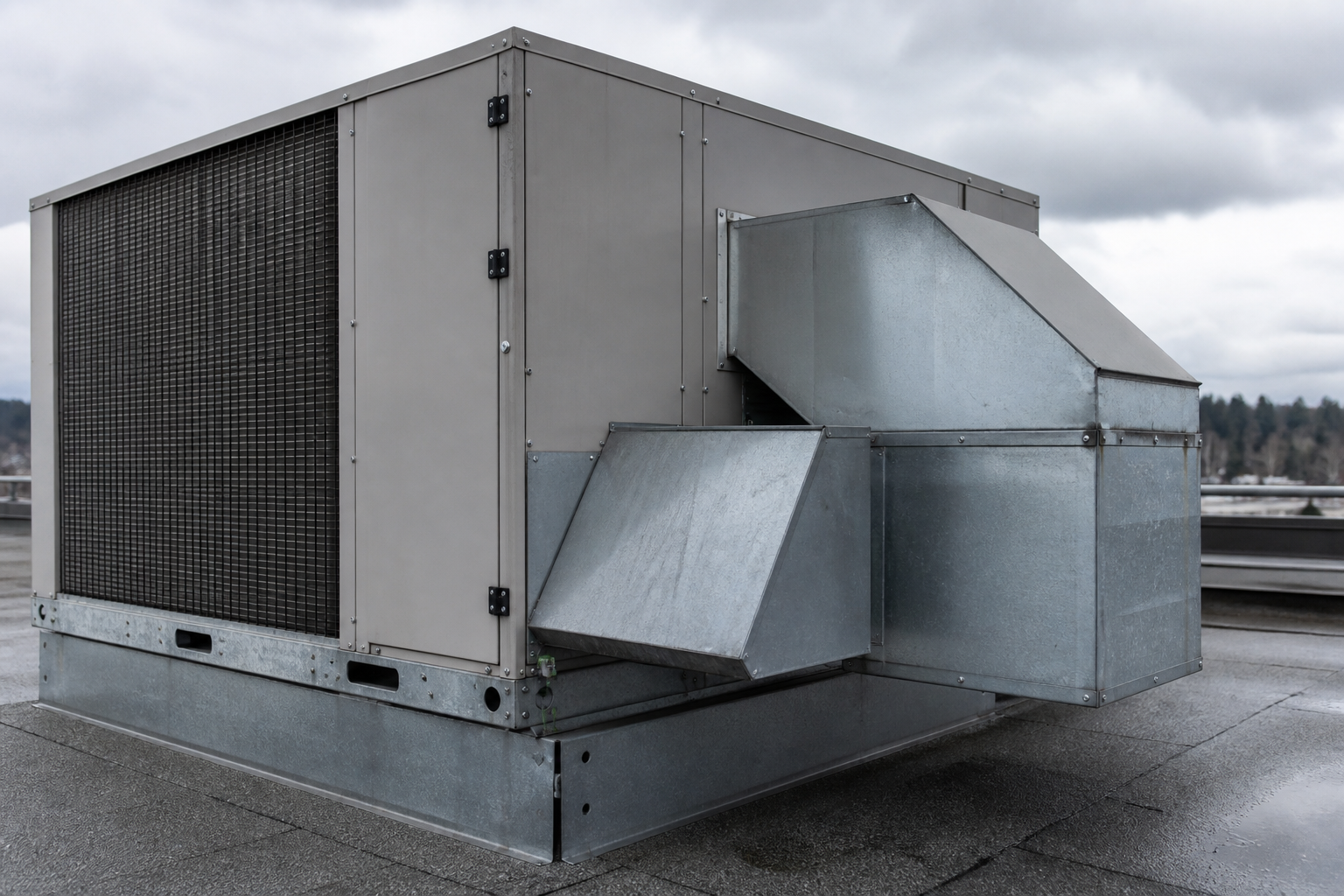
Rooftop Unit (RTU) Service
Keep your packaged rooftop unit running at peak efficiency. We service, repair, and replace commercial RTUs on offices, retail centres, and light industrial buildings across Surrey.
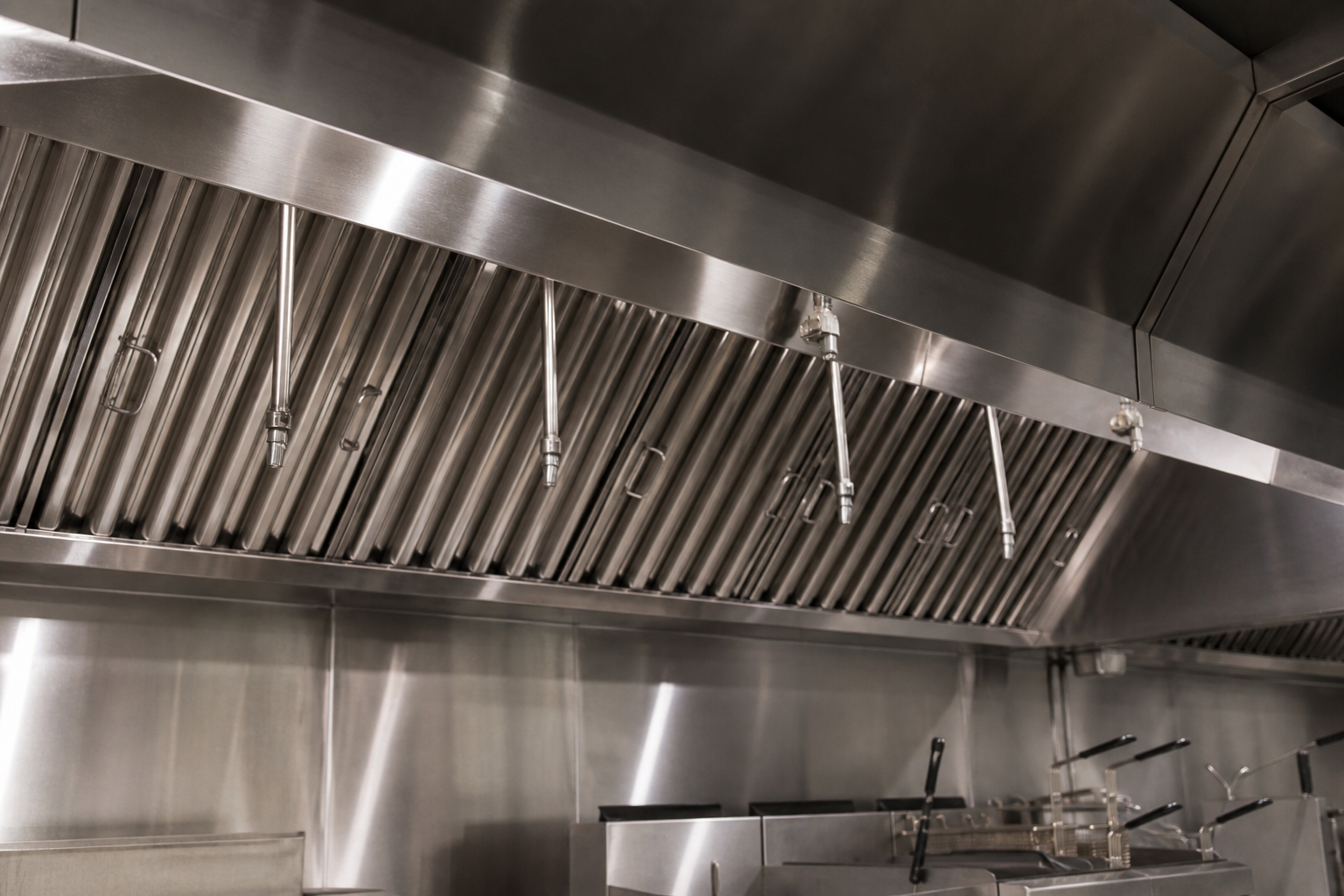
Restaurant & Kitchen HVAC
Restaurants, food halls, and commercial kitchens need purpose-built ventilation. We design, install, and service makeup air units, exhaust hoods, and fire-suppression-compatible HVAC systems.
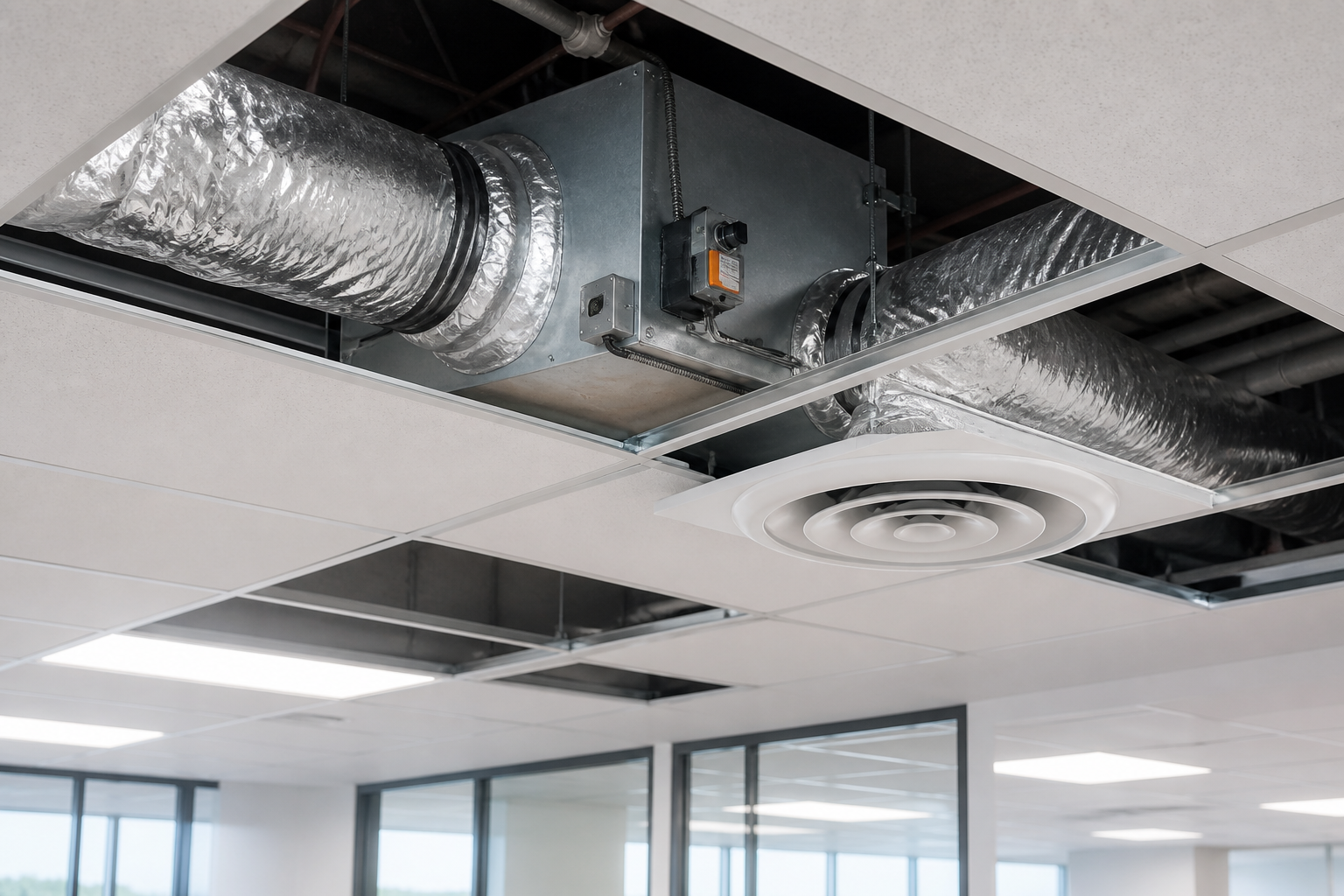
Office Building Climate Control
Comfortable employees are productive employees. We install and maintain multi-zone HVAC systems for offices, corporate parks, and professional buildings in Surrey and the Lower Mainland.
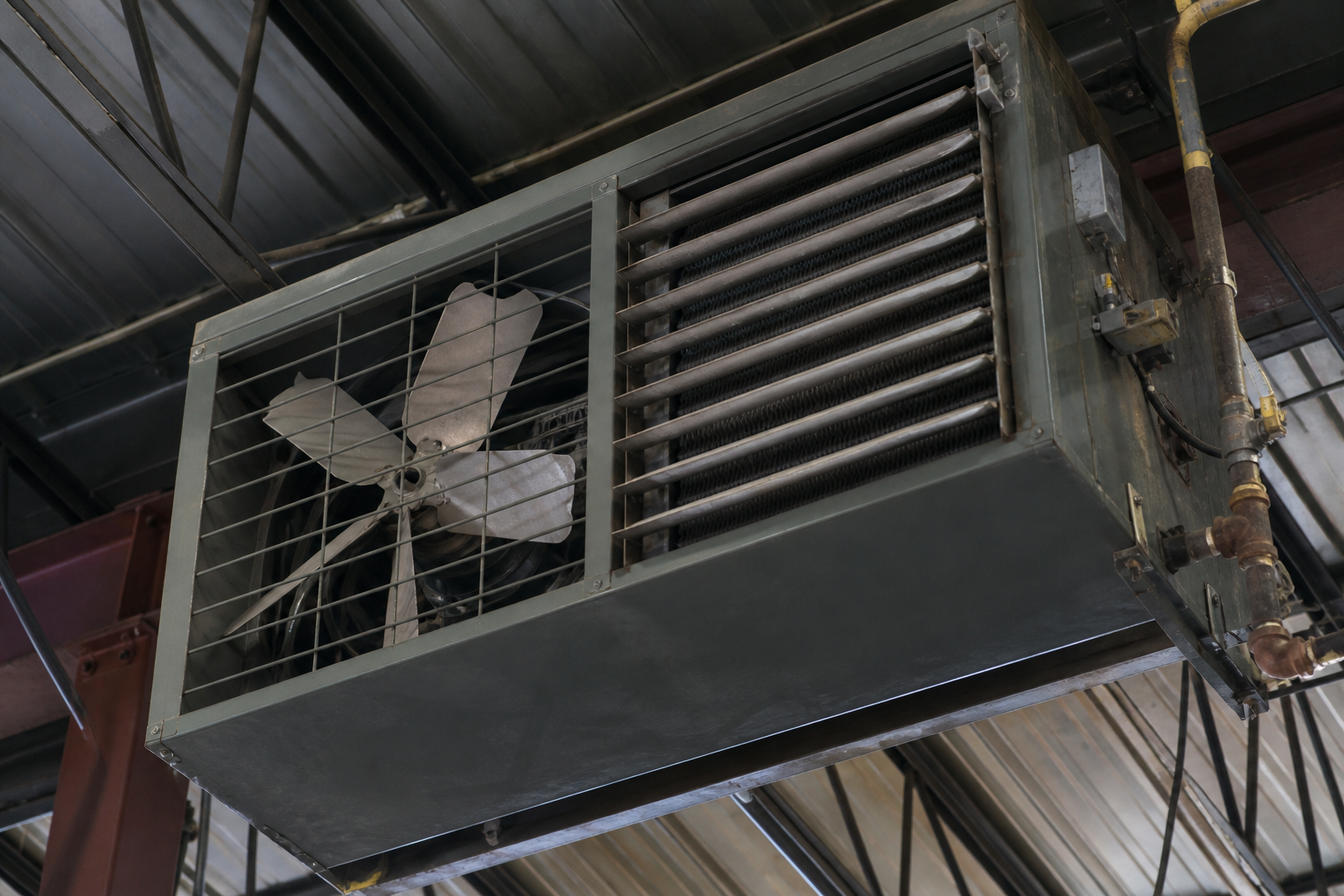
Warehouse & Industrial Ventilation
Large open floors, loading bays, and high ceilings demand specialised industrial HVAC. We size, supply, and commission warehouse heating, unit heaters, make-up air, and exhaust systems.

Commercial Air Conditioning
From split systems on small retail shops to central chilled-water plants on high-rises, we size and install commercial cooling that handles BC's summer peak loads without surprise failures.

Commercial Heating & Boiler Repair
Downtime in a Surrey winter costs money. We respond fast to furnace failures, gas-fired unit heater breakdowns, and hydronic boiler faults in commercial and industrial buildings.

Preventive Maintenance Programs
A signed maintenance agreement means fewer emergency calls and longer equipment life. Our quarterly and bi-annual commercial HVAC maintenance plans keep warranties intact and health codes met.

Retail & Shopping Centre HVAC
Retail HVAC must be quiet, efficient, and reliable across variable occupancy loads. We work with strip malls, big-box tenants, and enclosed centres to keep shoppers comfortable and bills manageable.

Commercial Refrigeration
Walk-in coolers, reach-in cases, blast chillers, and display units. We install and service commercial refrigeration for grocery stores, restaurants, medical facilities, and cold-storage warehouses.
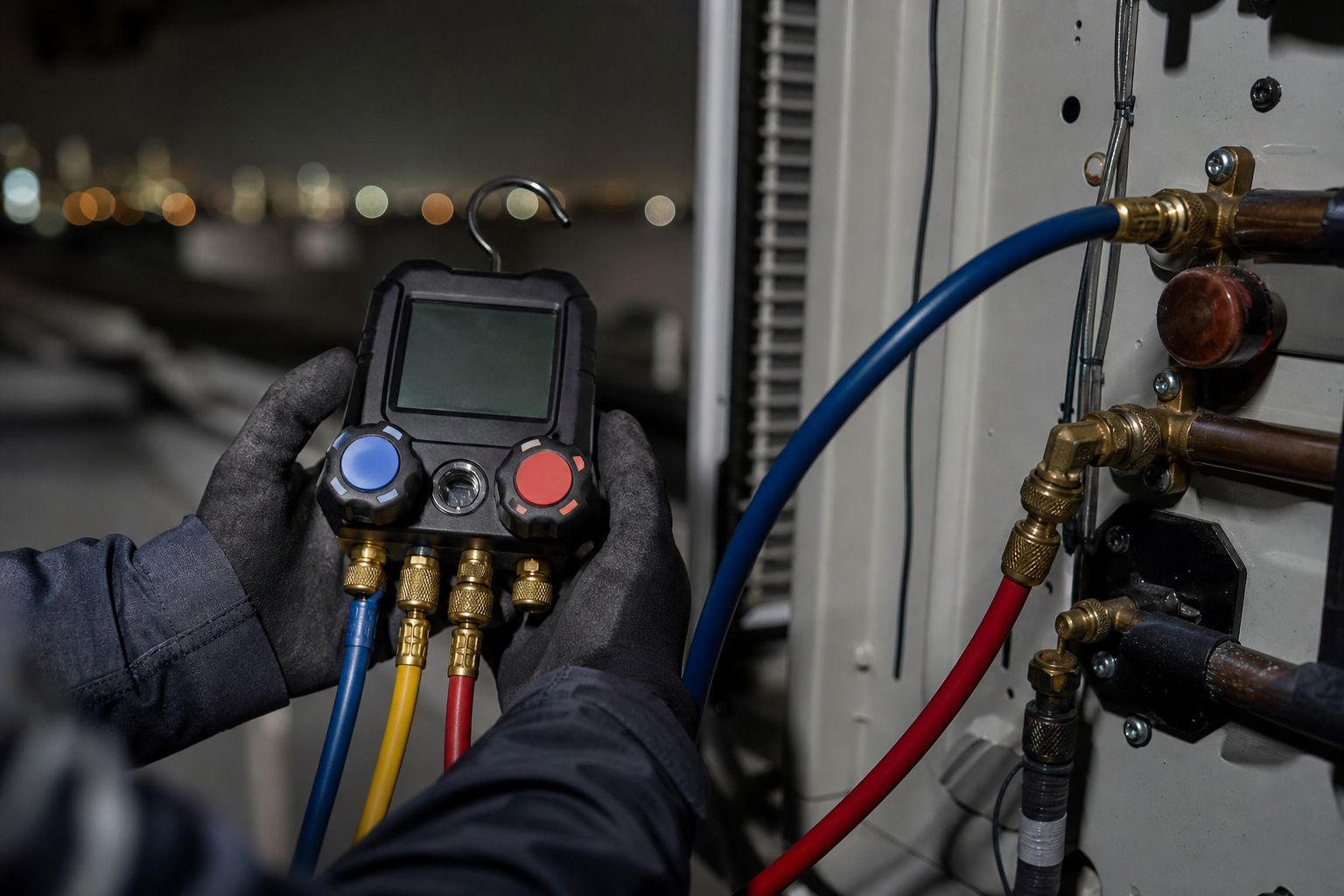
24/7 Emergency HVAC Repair
System down at midnight? We run a 24/7 emergency dispatch line for commercial clients across Surrey and the Lower Mainland. No overtime surprises on pre-negotiated maintenance accounts.
Why Surrey Businesses Choose a Dedicated
Commercial HVAC Contractor
Commercial HVAC isn't scaled-up residential work. The loads are bigger, the regulations are stricter, and every hour of downtime costs money. We built our entire operation around keeping business buildings comfortable and code-compliant — and nothing else.
Licensed & BCSA Certified
Every technician holds a valid BC gas fitter's ticket and trades certification. No shortcuts on permits, no unqualified subs.
24/7 Emergency Dispatch
System down at 2 AM? We run a round-the-clock emergency line for commercial clients. Fast response, transparent after-hours pricing.
Commercial-Only Focus
We don't split time between residential and commercial. Our equipment, training, and maintenance contracts are built exclusively for business buildings.
All Brands Serviced
Carrier, Trane, Lennox, Daikin, York, Mitsubishi, Climate Master — if it moves air or refrigerant in your building, we work on it.

From the First Call to the
Final Commissioning Sign-Off
Most commercial HVAC problems start with a contractor who guessed at the scope and quoted low. Every job we take on follows the same structured process so you know exactly what's happening, what it costs, and when it's done. No surprises at the invoice. No callbacks because something wasn't right.
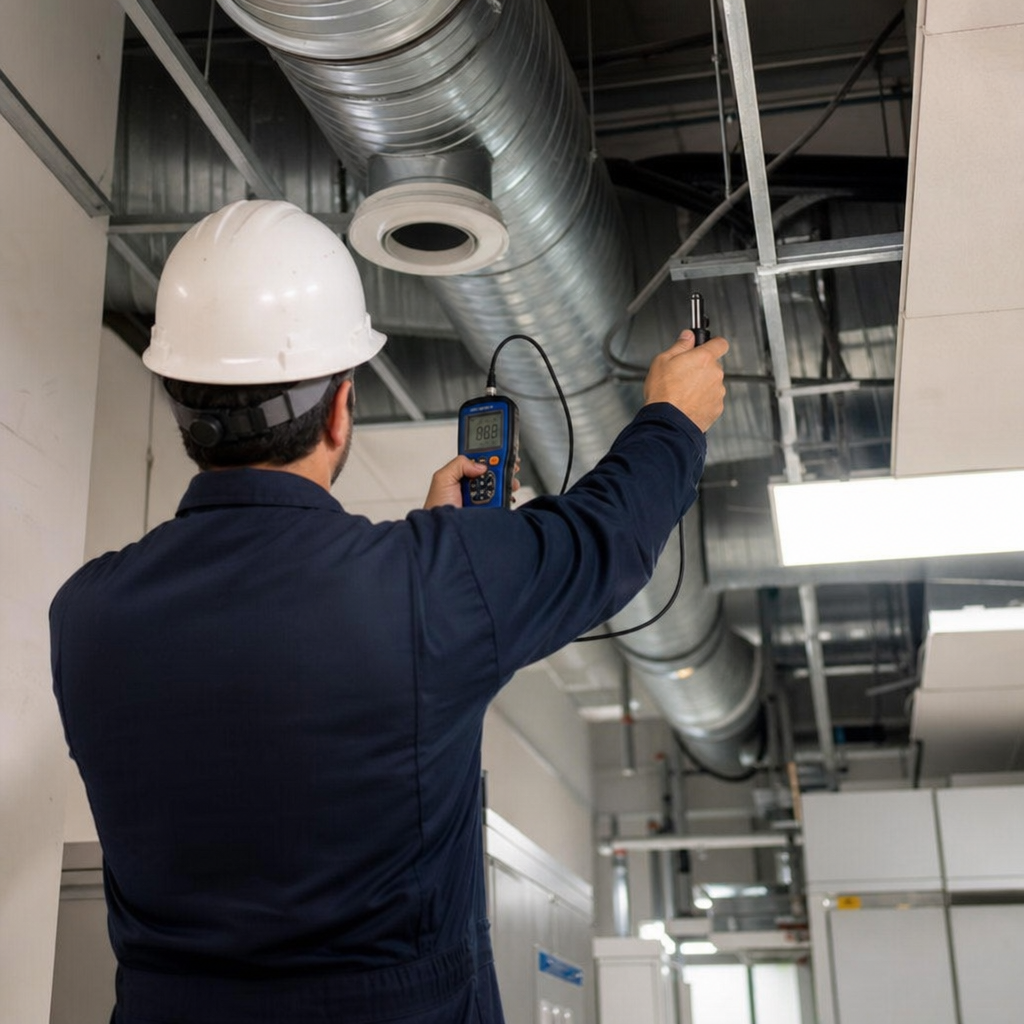
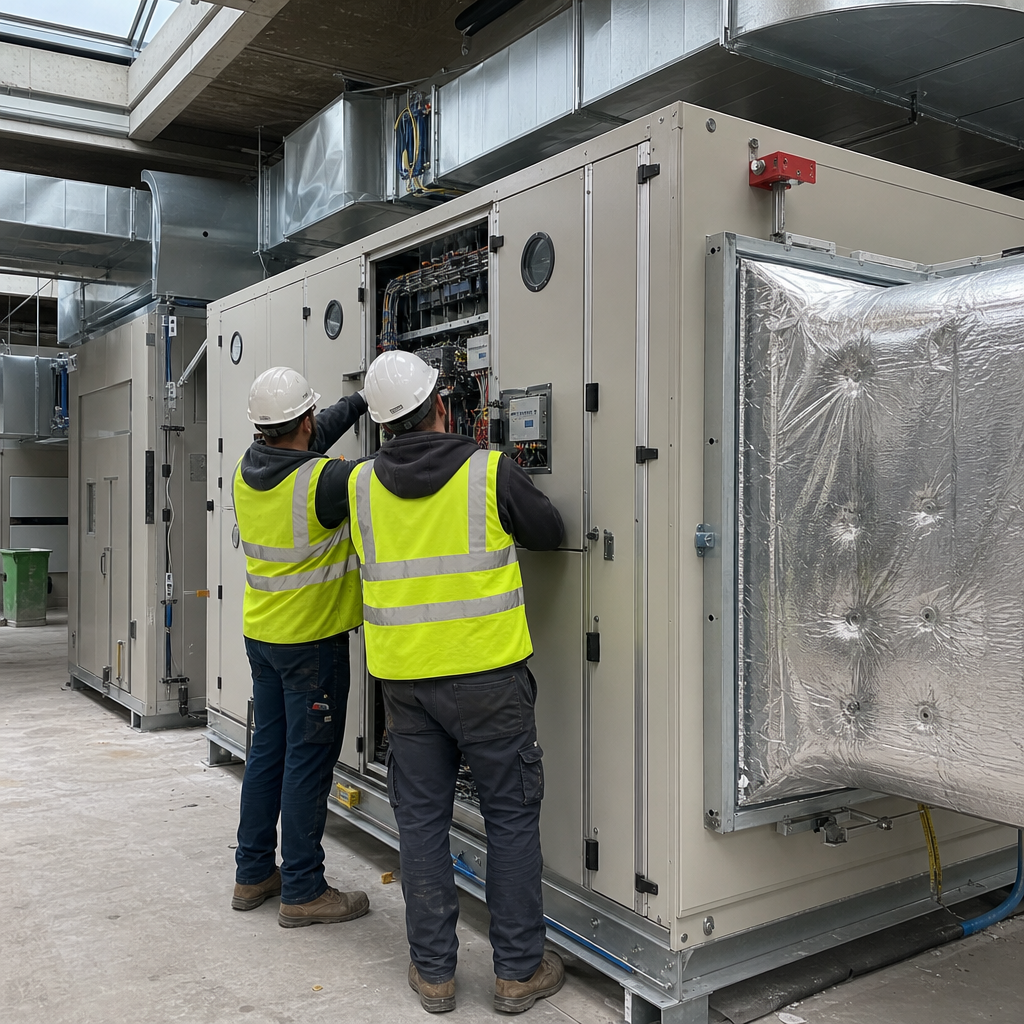
Proper Site Assessment Before Anything Else
We don't quote commercial HVAC work over the phone. The variables that determine the right equipment and the right price — ceiling height, existing ductwork condition, electrical service, gas supply pressure, building envelope, occupancy type — can't be assessed without standing in the building. Every job starts with an on-site walkthrough by a licensed technician, not a salesperson.
During the assessment we review your existing equipment (age, capacity, condition, refrigerant type), measure the space, check access routes for replacement equipment if needed, and identify any code compliance gaps. If there are immediate safety concerns — cracked heat exchangers, refrigerant leaks, compromised gas lines — we flag them in writing before we leave.
A Written Scope You Can Review Before Work Starts
After the site visit, you get a written proposal with a complete scope of work, not a one-line estimate. The scope covers the equipment we're supplying (make, model, capacity, efficiency rating), the work involved, the materials, the permit requirements, and the timeline. You review it, ask questions, and decide before anything is booked.
If we're replacing a rooftop unit, we specify the crane requirements and who coordinates access. If we're installing a commercial kitchen exhaust system, we note the fire suppression interlock coordination and health authority compliance requirements. The scope is what we work from. If something unexpected comes up, we call you before we go further.
Installation on Your Schedule, Not Ours
Retail stores can't shut down for a week. Restaurants can't afford a failed health inspection because HVAC work ran long. Offices need functioning AC by Monday morning. We schedule every commercial installation around your operation — not around our crew's convenience. Night shifts, weekend installations, and phased work that keeps critical areas running during switchover are standard practice for us.
Our own licensed technicians handle every step of the installation. We don't sub out work to reduce cost and then add a markup. That means one point of accountability from the first morning on-site to the last tool loaded in the van. We pull all gas, electrical, and mechanical permits before work starts and coordinate inspections so you're not chasing a BCSA inspector after the fact.
Retail & shopping centres
Pre-open or post-close windows
Restaurants & kitchens
Between service, overnight
Office buildings
Evenings and weekends
Warehouses & industrial
Around shift schedules
Medical & dental clinics
Fully scheduled around patients
Commissioning report
System performance data — supply temperatures, airflows, refrigerant pressures, amp draws — recorded at startup and given to you.
Warranty registration
Equipment warranty registered in your name with the manufacturer. We handle the paperwork and send you confirmation.
Permit and inspection record
Signed-off BCSA or city inspection record for every permitted element of the work.
Maintenance schedule
Written recommended PM intervals for every piece of equipment installed, so you know exactly what needs servicing and when.
Account technician contact
A named technician who knows your building and equipment, not a call centre.
Commissioning, Handover, and a Relationship That Continues
The job isn't done when the tools are loaded. Every system we install is commissioned against manufacturer specifications before we sign off — measured supply air temperatures, verified refrigerant pressures, confirmed airflows, and tested controls. If it's not hitting spec, we don't leave until it is.
At handover, you get the full package: commissioning report, registered warranty, permit inspection records, equipment manuals, and a recommended PM schedule. Most of our installation clients roll straight into a maintenance contract because they've seen how we work. The relationship doesn't end when the invoice is paid.
The Technical Standards Every Commercial HVAC Job in Surrey Is Built On
Commercial HVAC work in BC operates under a stack of overlapping codes, standards, and regulations. Most contractors know enough to pass an inspection. We know enough to understand why each requirement exists, which means our designs and installations hold up under scrutiny — whether that's a BCSA gas inspector, a health authority, or a building envelope engineer reviewing our duct sizing.
Every jurisdiction in the Lower Mainland requires permits for gas, refrigeration, and significant mechanical work. We pull every permit, schedule every inspection, and hand you the signed-off records. If a future buyer's inspector asks whether the rooftop unit was installed with a permit and who did the gas connection, you have the paperwork to answer.
The standards below are the ones that govern our day-to-day work. We don't treat them as a ceiling — they're the floor. Our designs and installations typically exceed the minimum requirements, especially on energy efficiency and refrigerant containment, because that's what keeps equipment running longer and operating costs lower.
BC Safety Authority — Gas Fitting Regulation
All gas-fired equipment — commercial furnaces, rooftop units with gas heat, unit heaters, boilers, infrared heaters — must be installed and serviced by a BCSA-licensed gas contractor. The licence requires certified gas fitters, permits for all new installations, and mandatory BCSA inspection before commissioning. We hold a current gas contractor licence, our technicians hold individual gas fitter certifications, and we do not perform gas work without the permit in hand. After inspection, the signed permit record goes in your file.
Ventilation for Acceptable Indoor Air Quality
ASHRAE 62.1 sets the minimum outdoor air delivery rates for commercial occupancies based on occupant density, floor area, and activity type. An office requires a different ventilation rate per person than a restaurant kitchen or a medical waiting room. When we size makeup air units, specify air handling unit outdoor air dampers, or configure demand-controlled ventilation, we verify compliance with 62.1. BC's building code references 62.1 directly for commercial ventilation design.
Energy Standard for Buildings Except Low-Rise Residential
ASHRAE 90.1 governs the energy efficiency of HVAC equipment and systems in commercial buildings. It sets minimum efficiency requirements for rooftop units, chillers, boilers, and fan systems, and imposes duct leakage limits and economiser requirements for many system types. BC's Step Code and the BC Building Code both reference 90.1. Equipment we specify meets or exceeds the 90.1 minimum efficiency thresholds, and our duct systems are sealed and tested to meet duct leakage class requirements.
Standard for Ventilation Control and Fire Protection of Commercial Cooking Operations
Every commercial kitchen exhaust system must comply with NFPA 96. This standard governs grease duct construction (16-gauge black steel, fully welded, liquid-tight), clearances to combustibles, access panel frequency, exhaust fan mounting, fire suppression system integration, and the interface between the hood and makeup air system. An NFPA 96-compliant installation is the difference between a working kitchen and a fire code violation that shows up in a health inspection. Our kitchen ventilation work is designed and installed to NFPA 96 from the hood face to the rooftop fan.
Mechanical Refrigeration Code
CSA B52 is the Canadian standard for refrigeration system safety. It governs refrigerant containment, pressure relief valve sizing and discharge routing, equipment room ventilation when refrigerant charge exceeds threshold quantities, and safety system requirements for commercial refrigeration. All our commercial refrigeration installations comply with B52, including condensing unit placement, refrigerant line insulation, and relief valve discharge locations. B52 also sets limits on refrigerant charge quantities in occupied spaces — critical for restaurant walk-in cooler placement.
Mechanical Design Requirements
Part 6 of the BC Building Code covers all mechanical systems in commercial buildings: duct construction class, air handling unit access, equipment clearances, combustion air provisions for fuel-burning equipment, and exhaust system separation requirements. It's not a standalone document — it references ASHRAE 90.1, 62.1, SMACNA duct standards, and NFPA 96 for specific technical requirements. We design to Part 6 compliance and identify any conflicts between the referenced standards and the specific conditions in your building before work starts.
HFC Phase-Down & Refrigerant Management
Canada's Halocarbon Regulations phase down high-global-warming-potential refrigerants including R-410A. New equipment using R-410A can no longer be manufactured or imported as of January 2025, and the service refrigerant supply will tighten over the following years. Our technicians know which refrigerants are approved for new installations (R-454B, R-32, R-290 in applicable systems), which are service-only (R-410A in existing equipment), and what the transition timeline looks like for equipment currently in the field. If your rooftop units run R-410A, we can advise on the transition strategy that makes sense for your building.
Commercial HVAC Failure Patterns
We Diagnose in Surrey Every Week
Most commercial HVAC problems have a predictable root cause that an experienced technician spots within the first ten minutes on-site. Understanding what degrades first, and why, is the difference between fixing the symptom and fixing the system. Here are the failure patterns our Surrey technicians encounter most often — and what's actually behind them.
commercial RTU repair Surrey · rooftop unit service Surrey
Rooftop Unit Short-Cycling
A commercial RTU that starts, runs for two or three minutes, and shuts down before reaching setpoint is short-cycling. The most common cause is a dirty condenser coil that can't reject heat fast enough, pushing the discharge pressure above the high-pressure cutout. Low refrigerant charge, a failing compressor with low compression ratio, or a faulty high-pressure switch are also frequent culprits. Oversized equipment short-cycles for a different reason — it satisfies the thermostat before the refrigerant circuit stabilises, causing it to shut off and restart repeatedly. Each start cycle stresses the compressor. We see short-cycling units in Surrey with compressors that have failed at 8 years instead of 15 because the root cause was never addressed.
commercial furnace repair Surrey · commercial heating Surrey
Commercial Furnace Tripping on High Limit
A high-limit switch trip means the heat exchanger has exceeded its rated temperature — typically 200–250°F depending on the manufacturer. Restricted supply airflow is the most common cause: dirty air filter, a blocked or closed register, or a failed blower motor that's not moving enough air across the heat exchanger. The second most common cause is a cracked or failed heat exchanger that allows combustion gases into the supply airstream, which is a carbon monoxide risk that requires the unit to be shut down immediately. A high-limit that keeps resetting without a blower motor or airflow problem is telling you to do a combustion analysis and heat exchanger inspection before something more serious happens.
commercial kitchen exhaust Surrey · restaurant HVAC Surrey
Restaurant Kitchen Negative Pressure
When a kitchen's exhaust system removes more air from the space than the makeup air system replaces, the kitchen goes into negative pressure. Signs include exterior doors that are hard to open, a rush of cold or hot air when doors open, hoods that aren't capturing properly despite running at full speed, and complaints from staff about drafts and temperature swings. The fix is almost never 'run the hood less.' It's usually an undersized or improperly balanced MUA unit, a blocked outside air intake, or an exhaust fan that's been upsized without a matching MUA increase. Negative pressure also causes backdrafting in gas appliances — combustion gases pulled back down the flue — which is a carbon monoxide risk.
office HVAC Surrey · commercial air conditioning Surrey
Office Hot and Cold Spots Across Floors
Offices with zones that are always too hot or too cold while adjacent zones are fine typically have a VAV (variable air volume) balancing problem, a duct leak, or a thermostat that's poorly located. A single south-facing open-plan floor can have a 6–8°C temperature differential across its depth on a clear summer afternoon, but a properly balanced VAV system accounts for that. We also see offices where the original HVAC design was fine but tenant improvement work — new partitions, relocated diffusers, added computer equipment — has changed the load distribution without any corresponding controls adjustment. Rebalancing the VAV system and recalibrating the thermostats often costs a fraction of what a system upgrade would.
commercial refrigeration Surrey · walk-in cooler repair Surrey
Walk-In Cooler Temperature Drift
A walk-in cooler whose temperature is drifting above setpoint by more than 2°C needs attention before food safety is compromised. The most common cause is not a refrigeration failure — it's worn door gaskets allowing warm ambient air infiltration, which overloads the evaporator. Failed anti-sweat heaters in the door frame cause the gasket to degrade faster. When the refrigeration system itself is the problem, the usual suspects are low refrigerant from a slow leak, an iced-over evaporator coil from a failed defrost cycle, or a condensing unit that can't reject heat because the condenser coil is fouled. A walk-in that runs continuously without cycling off is almost always low on refrigerant or has a defrost problem that's caused the coil to ice solid.
warehouse HVAC Surrey · industrial ventilation Surrey
Warehouse Stratification and Heating Inefficiency
In a warehouse with 8-metre or higher ceilings, heat rises and accumulates at the roof peak while the floor level stays cold. The temperature differential can easily exceed 15°C, meaning unit heaters are working hard to heat the occupied zone while the roof structure sits at 25°C. Destratification — slow-speed ceiling fans that push the warm air column back down to floor level — can recover 20–30% of that wasted heat without adding any heating capacity. When stratification isn't the only problem, it's usually unit heater placement. Heaters positioned to blow parallel to the floor instead of angling slightly downward toward the occupied zone lose a significant portion of their output to the ceiling. Correct positioning during installation or repositioning during service can make a visible difference in floor-level comfort.
commercial boiler repair Surrey · commercial heating Surrey
Boiler Pressure Loss Between Cycles
A commercial hydronic boiler that needs the pressure topped up repeatedly — weekly or monthly instead of annually — has a leak somewhere in the system. The leak is not always visible: it can be a slow seep at a zone valve, an expansion tank that has lost its pre-charge and is now waterlogged, an air separator that's weeping, or a micro-leak at a coil fitting in a fan coil unit. A waterlogged expansion tank is the most common cause of repeated pressure loss in a system that looks externally intact — the tank has failed internally, the system has no buffer volume, and the pressure relief valve opens every time the boiler fires and raises system pressure. Replacing the expansion tank is a $400 fix. Ignoring it leads to repeated pressure relief valve cycling, which wears the valve seat and eventually requires a valve replacement and a boiler service call.
commercial air conditioning repair Surrey · commercial AC Surrey
Split System Icing on the Suction Line or Indoor Coil
Ice forming on the suction line of a commercial split system or on the indoor evaporator coil almost always indicates one of two things: restricted airflow across the indoor coil, or low refrigerant charge. Restricted airflow — caused by a clogged air filter, a blocked return air path, a failed blower motor, or a dirty indoor coil — drops the coil temperature below freezing because the refrigerant can't absorb enough heat. Low refrigerant causes the same result through a different mechanism: insufficient refrigerant mass flow lowers the suction pressure and coil temperature below the frost point. Running an iced coil to failure damages the compressor because liquid refrigerant returning to the suction line washes out compressor oil. The fix is simple. The damage from ignoring it is not.
Seeing one of these patterns in your building?
Commercial HVAC Contractor Serving Surrey,
Langley, Delta & Metro Vancouver
We're based in Surrey and cover the full Lower Mainland. Commercial HVAC repair, installation, and maintenance contracts across Metro Vancouver and the Fraser Valley.
Ready for a Commercial HVAC
Quote in Surrey?
Whether it's a planned installation, a maintenance contract, or an emergency repair, Surrey Commercial HVAC Services picks up the phone and shows up when we say we will. Call us now or fill out the quote form and we'll get back to you the same business day.